
 GASE Admin
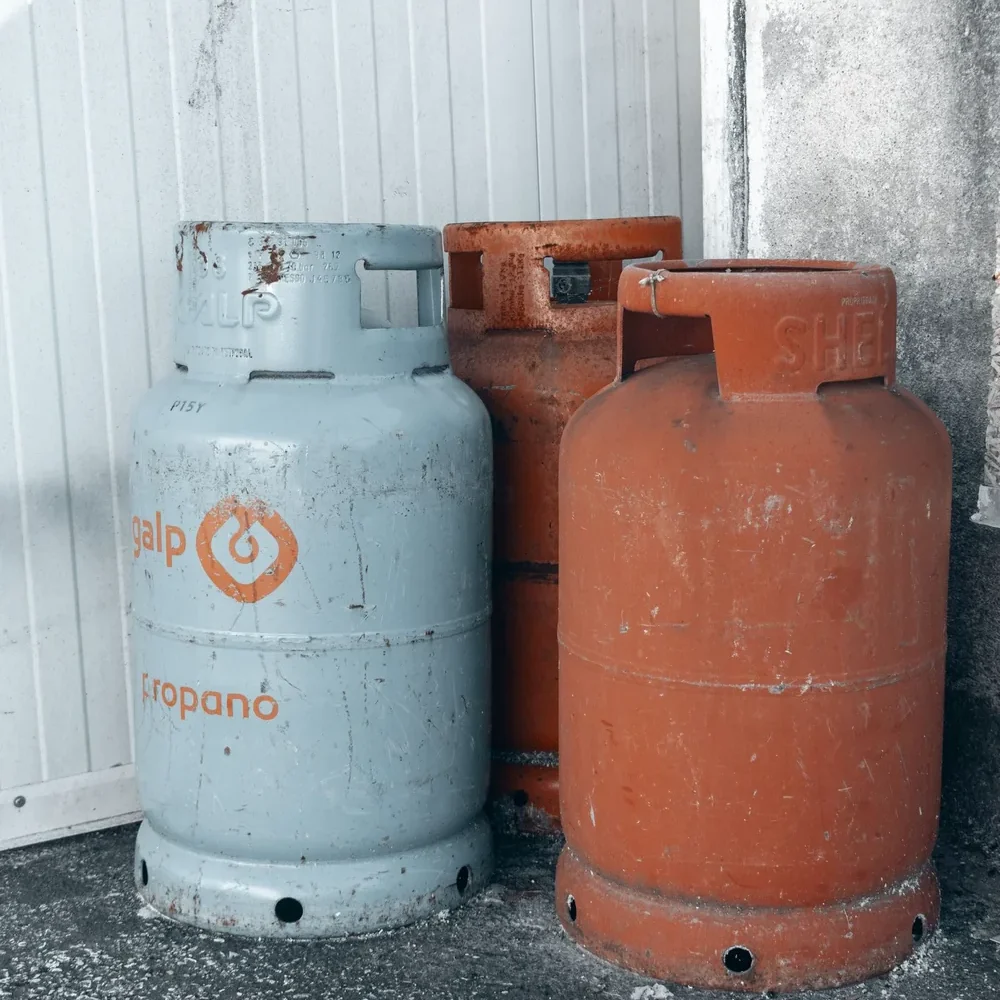
Before any GASE cylinder goes on the van, it passes five checks. None of them take long, and all of them matter. Here is what our drivers are looking for — and what we will not load.
1. Test date and collar
Every cylinder carries a test date. We check the collar is intact, the stamps are legible and the cylinder is within its test period. A cylinder that is out of test is quarantined, even if it looks perfect. The test is not paperwork for its own sake — it is how you know the steel can still hold pressure safely.
2. Valve and thread
The valve must turn freely and seal cleanly. We inspect the thread for cross-threading or damage, and check that the outlet is clear. A valve that leaks, sticks or has been repaired by an unqualified person does not go on the van.
3. Body condition
Deep dents, gouges on the weld seam, heavy pitting around the base or bulging mean the cylinder is out. Surface rust is treated and monitored; structural damage is a rejection. A cylinder that has been through a fire is never refilled, regardless of how it looks.
4. Fill weight
We weigh every cylinder. A 9 kg should leave at roughly 18 kg total; a 19 kg at roughly 36 kg; a 48 kg at roughly 90 kg. The scale is checked and the reading is recorded. If the weight is short, it does not leave.
5. Leak test, seal and paperwork
The valve and connection are leak-tested, a fresh tamper seal is fitted and the delivery note records the cylinder size, fill weight, test date, seal number and the driver’s initials. The customer gets a copy. If there is ever a question, the trail answers it.
It is tagged, removed from the pool and sent for inspection or scrapping. It does not get “one more fill” because it is a busy day. That is the whole point of the check.
What you can do at home
- Keep the cylinder upright, outdoors and ventilated.
- Check the hose for cracks and replace it every five years.
- Test connections with soapy water, never a flame.
- Do not accept a cylinder with a broken seal or a valve that looks damaged.
- If you smell gas, stop, ventilate, turn off if safe and call us.
Questions about a cylinder? Send us a message or bring it to 84 Skinner Street. We would rather check it twice than have you worry about it.