
 GASE Admin
A gas cylinder is a pressure vessel that lives in your home, gets bumped around in a bakkie and sits outside through Highveld hail. It deserves more than a glance before you hand it over to the driver. These are the checks our team makes — and the ones you can make at home in under a minute.
1. The collar and test date
Every cylinder has a metal collar or shoulder with stamped markings: the manufacturer, the water capacity, the tare weight and the test date. A cylinder that is past its required test date should not be filled or exchanged. Check that the collar is intact and the stamps are legible. If the date is hard to read, ask us to check it before you accept the cylinder.
2. The body
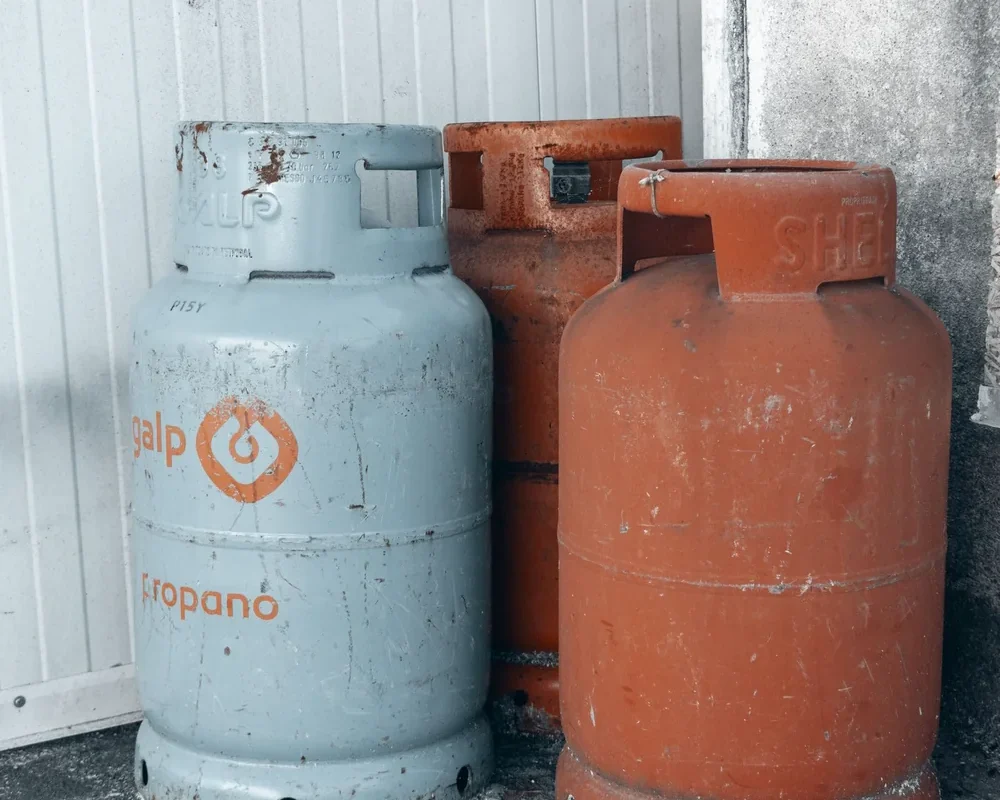
Look for deep dents, gouges, heavy rust or bulging. Surface rust is common and not automatically a problem, but flaking metal, pitting around the base or a dent on the weld seam is. Reject it. A cylinder that has been in a fire, even if it looks fine, should never be refilled.
3. The valve
The valve should turn smoothly and be free of obvious damage. Check the threads on a POL valve for cross-threading or missing material. Never use a damaged valve, and never try to repair one yourself. A leaking valve is a stop-everything problem.
4. The weight
A full 9 kg weighs around 18 kg. A full 19 kg around 36 kg. If the cylinder feels suspiciously light, it may be underfilled. Our exchange process weighs every cylinder before it leaves the yard, and we are happy to show you the scale reading.
5. The seal
A freshly filled cylinder should have an intact tamper seal or cap. If the seal is broken, the cylinder has been opened since filling. Do not accept it unless you can account for why.
6. The paperwork
At GASE, every exchange leaves with a record: the cylinder size, fill weight, test date, seal number and the driver who checked it. Keep the slip with your cylinder. If there is ever a question, the paper trail answers it.
Valve check, visual inspection, weight check, leak test at the connection, fresh seal and a delivery note. If a cylinder fails any check, it goes out of circulation — not back on the van.
What to do if you smell gas
- Put out any flames and do not switch anything electrical on or off.
- Open doors and windows if it is safe to do so.
- Turn off the cylinder valve if you can reach it safely.
- Leave the area and keep people away.
- Call us on 012 555 0148. If there is a fire or a serious leak, call the emergency services first.
Never use a flame to look for a leak. A 50/50 mix of dishwashing liquid and water brushed onto the connection will bubble if gas is escaping. If it bubbles, close the valve and call us.
Want a second opinion? Bring your cylinder and regulator to the counter at 84 Skinner Street, or send us a message. We would rather check it than have you wonder.