 GASE Admin
Load-shedding has a way of arriving exactly when the pot is half-cooked. Gas is the obvious backup — but the difference between a useful backup and a dangerous one is a handful of simple rules.
Start with the right cylinder
A 9 kg LPG cylinder will run a single-plate or two-plate stove for weeks of normal family cooking. If you are cooking for a bigger household, or you want to run a gas geyser as well, look at a 19 kg. Keep a spare 5 kg for camping and the odd emergency; a spare cylinder is cheaper than a cold supper.
What to run, and what not to
- Good: a two-plate gas stove, a gas kettle, a gas braai used outdoors, a gas lamp designed for indoor use.
- Fine with care: a patio heater — outdoors or in a large, open, well-ventilated area only.
- Never: a braai, camping stove or patio heater inside a closed room, garage, tent or caravan. Carbon monoxide is invisible, odourless and can kill.
The ventilation rule
Any gas appliance that burns fuel needs oxygen and produces exhaust. Even a “small” two-plate stove should be used with a window open or in a room with proper ventilation. Never sleep in a room with a gas heater running. Never use a gas oven to heat the house.
Headaches, dizziness, nausea and sleepiness in a room with a gas appliance are warning signs. Turn the appliance off, open windows and get everyone outside. Seek medical help if symptoms persist.
The practical outage kit
- One full 9 kg cylinder, plus a spare if you cook most nights.
- A two-plate stove or single burner with a stable base.
- A working regulator and a hose that passes the soapy-water test.
- A gas lighter or matches kept away from the cylinder.
- A battery or rechargeable light — not candles near gas.
- A torch and a printed list of emergency numbers.
Before the first load-shedding supper
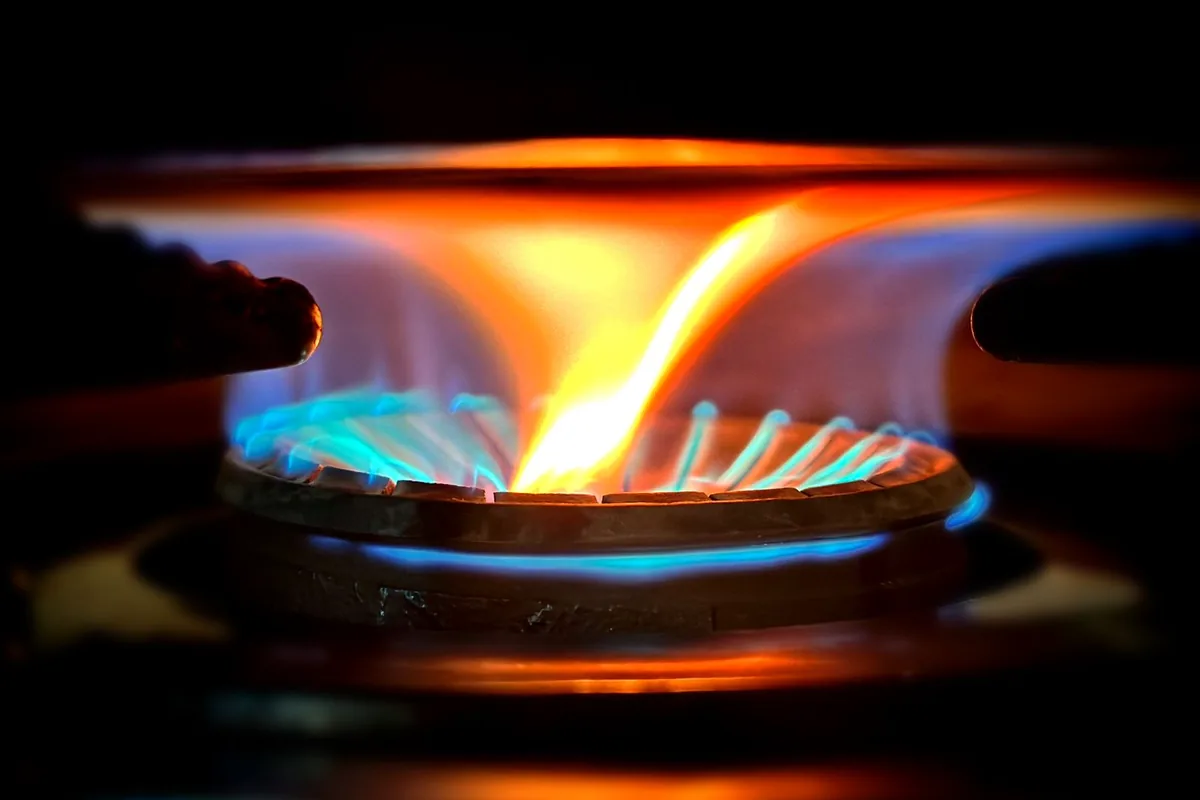
Set up the stove outside or near an open window and test the connection with soapy water. Light the burner and check that the flame is blue and steady. A yellow, lazy flame can mean incomplete combustion or a dirty burner — get it checked before you rely on it.
Keep the cylinder upright and outside the cooking area. Never place it on a counter next to the stove, and never store it under the sink or in a cupboard. When you are done, close the cylinder valve before the burner valve.
If your setup is old or inherited with the house, bring it in. We will check the regulator, hose and connections, and replace the bits that are past their best. Order a load-shedding kit or ask us what you need.